
Full-Stack Quality Management
Precision Built,
Bulletproof
Quality.
In a market full of lookalikes, our QC system stands out with multi-layered checkpoints on every single unit — from incoming materials to extreme stress testing and 100% final verification. This closed-loop process delivers near-zero defects, full traceability, and continuous improvement. For customers like you, it means rock-solid safety & reliability, fewer returns, and complete peace of mind in every order and shipment.
We use a strict four-pillar inspection protocol to ensure every product is consistent, reliable, and built to last:
IQC: Incoming Quality Control
Before production begins, we audit every batch of raw materials and electronic components. This ensures that only parts meeting our high technical and environmental standards ever reach the assembly line.
IPQC: In-Process Quality Control
Our engineers perform continuous inspections throughout the entire manufacturing processes.
FQC: Final Quality Control
Once assembly is complete, every unit undergoes 100% functional and stress testing. We verify electrical safety and perform a full aesthetic check to ensure the final product looks and performs exactly as promised.
OQC: Outgoing Quality Control
Before any order leaves our facility, we perform a final spot-check. We verify packaging durability and labeling accuracy to guarantee that your shipment arrives in perfect condition and is ready for global distribution.
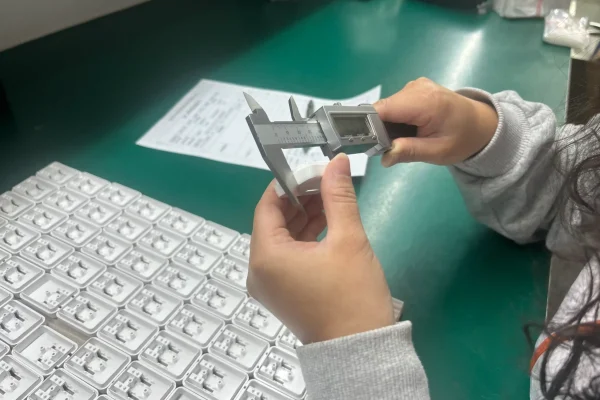
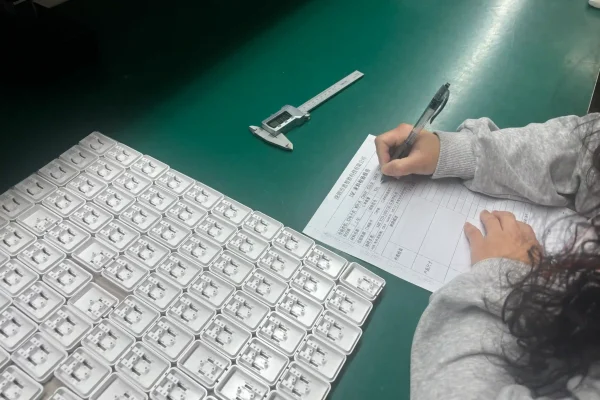
Enclosure Casing Component Inspection
Spot check (AQL 1.5 standard).
What it is:
Incoming quality control (IQC) technicians subject the casing units to mechanical stress tests, including impact, ball pressure, and drop tests after enclosure ultrasonic welding. They also verify material flame retardancy (V-0 grade) and dimensional accuracy using calipers.
Why it is important:
This measurement ensures the structural integrity and user safety of the product. It prevents accidents related to electric shock or fire by ensuring the plastic casing is robust enough to withstand daily drops and high-heat environments without breaking or igniting.

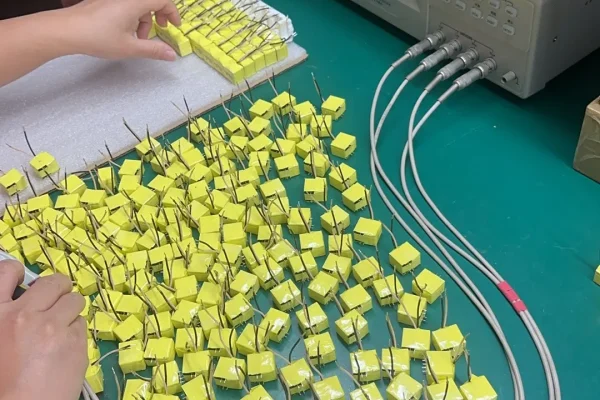
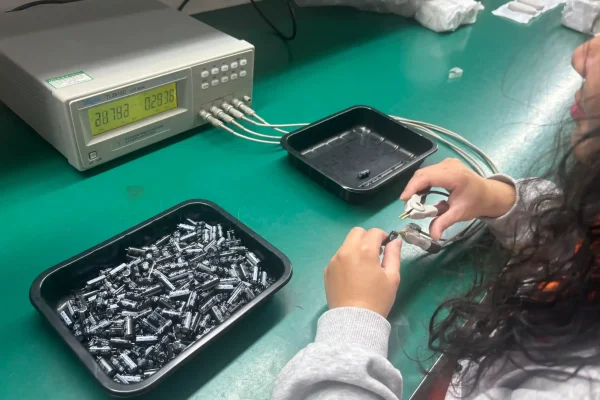
Electronic Component Inspection
100% check for critical components, and spot check (AQL 0.65) for standard parts.
What it is:
IQC technicians use LCR bridges, leakage current testers, and magnifiers to verify the parameters of capacitors, transformers, inductors, and resistors. They check for dimensional accuracy, pin integrity, and oxidation while ensuring that capacitance/inductance deviations remain within strict tolerances.
Why it is important:
This rigorous screening prevents early-life failures and functional instability, ensuring that every internal part can handle the electrical load and environmental conditions required for long-term operation.
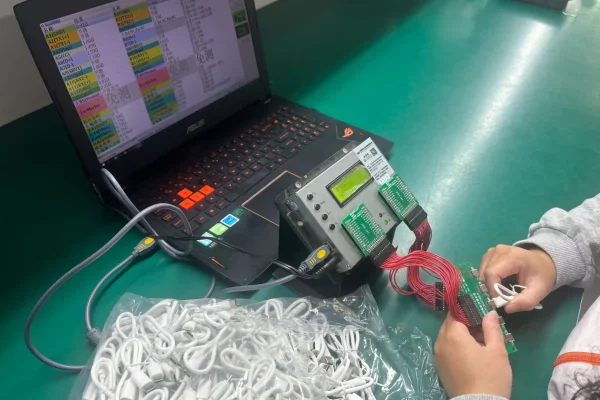
Protocol Chip Verification
Ensuring intelligent communication and precise power delivery.
What it is:
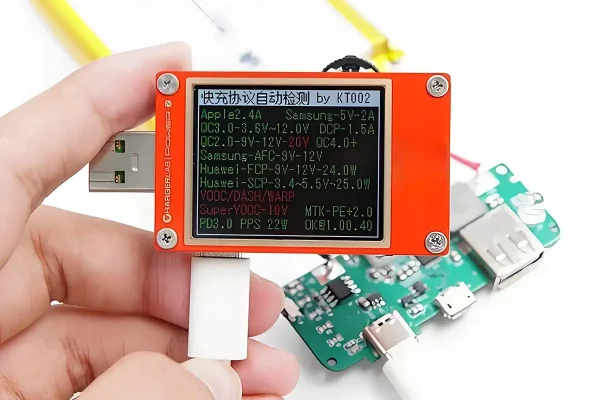
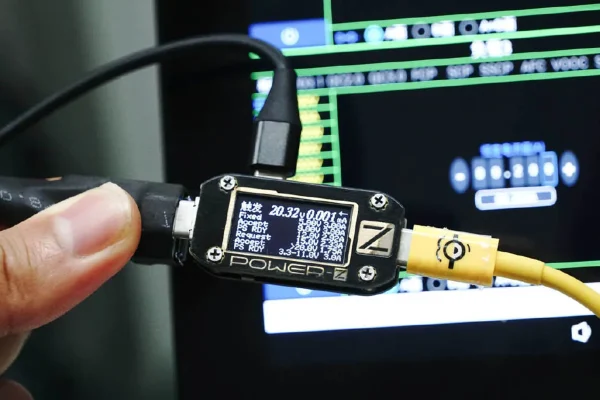
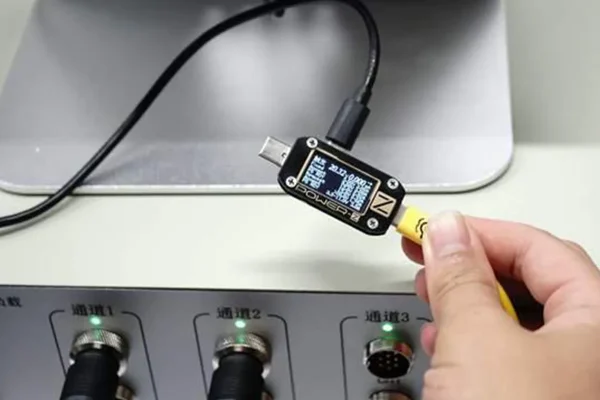
IQC team performs a dual-layer audit of the primary controller chips. This includes a 100% visual inspection of physical pins and a detailed firmware version check. Additionally, we conduct functional spot tests using various equipment to verify the PDO (Power Delivery Objects) parameters.Why it is important:
This serves as a critical “sanity check” to catch compatibility issues that individual component testing might overlook. Even if parts are individually correct, they must function perfectly together as a system. This pilot stage provides the final opportunity to halt production if materials do not fit or perform to our exact standards, preventing costly large-scale defects.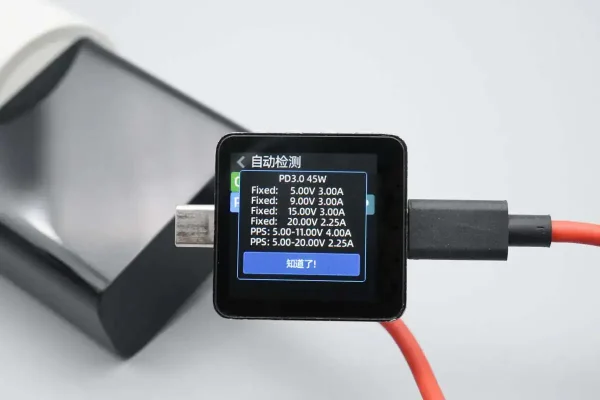
Incoming Material Sample Assembly
Mandatory check for every batch of incoming materials.
What it is:
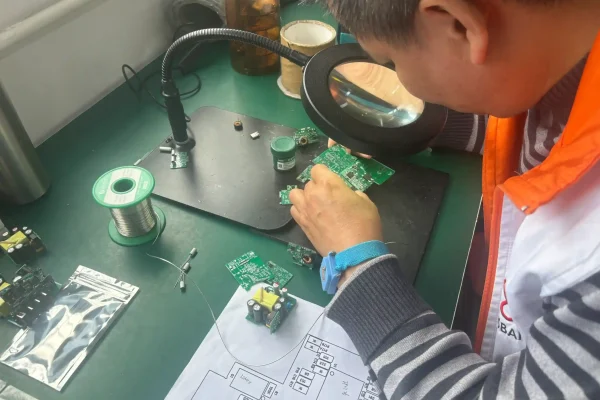
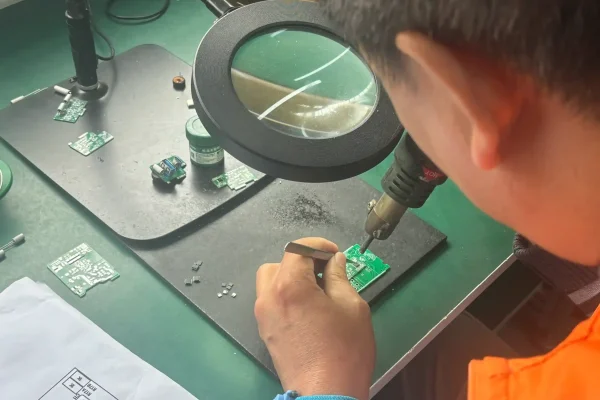
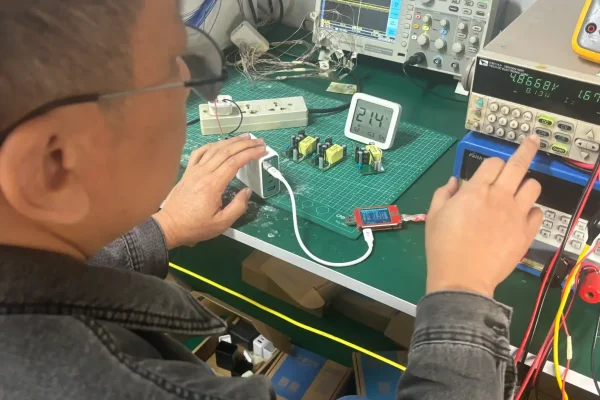
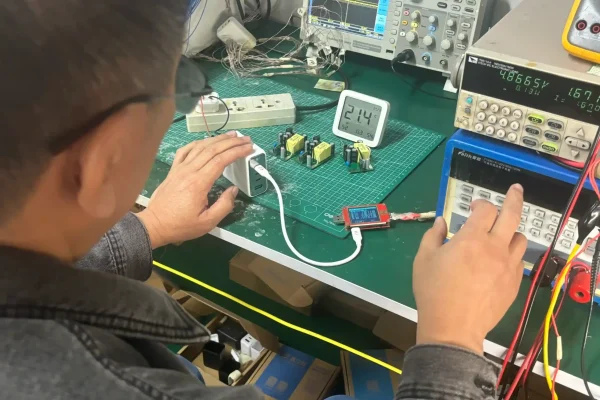
Before releasing a new batch of materials to the production line, workers assemble three complete units as a pilot. These units undergo full-project testing, including thermal imaging and high-voltage insulation tests, to confirm that the new materials interact correctly with existing components.
Why it is important:
This acts as a “sanity check” to catch compatibility issues that individual component testing might miss. It provides a final opportunity to stop a production run if the materials, though individually correct, do not fit or function perfectly together.
Circuit Board Assembly Check
Hourly spot check during production.
What it is:
Automated circuit board assembly (also called SMT placement) is the high-speed robotic process where tiny electronic components are precisely placed, glued and soldered onto the green circuit board. Every hour our quality team inspects these machines and checks for any misalignment or missing parts.
Why it is important:
Real-time monitoring stops small mistakes immediately, keeping the production line accurate and ensuring the internal electronics are built correctly.



Hidden Solder X-Ray Check
Full check on critical spots, sample check on others.
What it is:
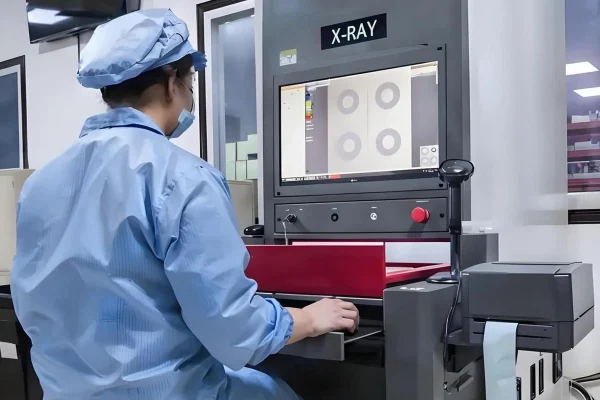
After components are placed on circuit board, hidden solder joints hold everything together underneath — joints you cannot see from the outside. We use X-ray equipment to look inside these soldered connections on the circuit board.
Why it is important:
This invisible inspection catches weak or hidden solder problems that could later cause short circuits or failures, giving products long-term reliability you can trust.
Circuit Board Function Test
100% check on every circuit board.
What it is:
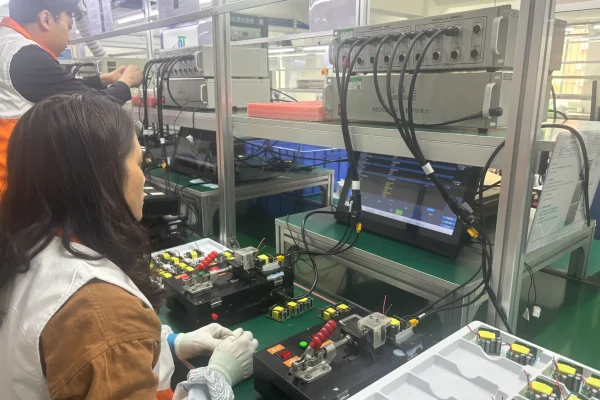
The circuit board is the “engine” of any electronics — it controls all electronic aspects of our products. Before the board goes into the enclosure casing, we test voltage, current, overcharging and temperature protection, efficiency, and fast-charging performance on every single one.
Why it is important:
This 100% early test removes any faulty boards right away, saving time and ensuring only perfect boards move forward to final assembly.
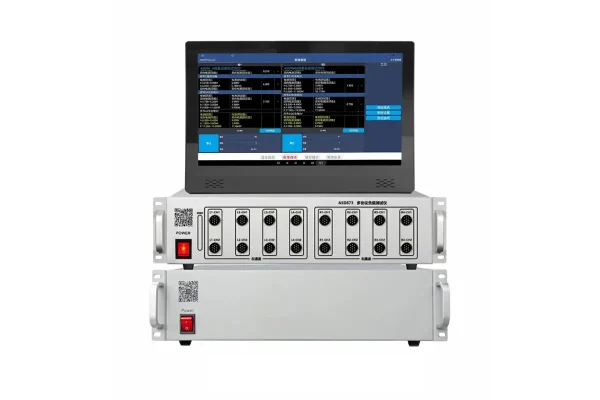
High-Potential (Hi-Pot) Safety Test
100% individual unit validation for high-voltage insulation.
What it is:
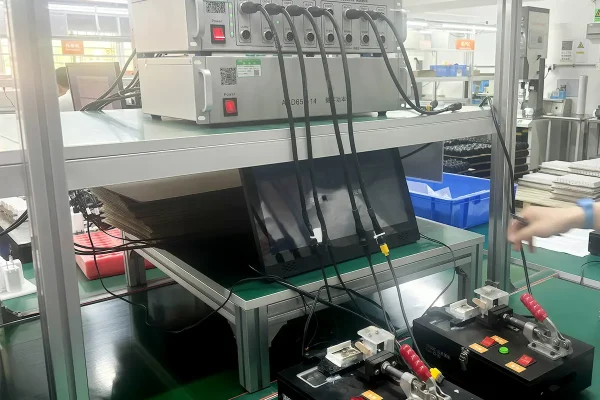
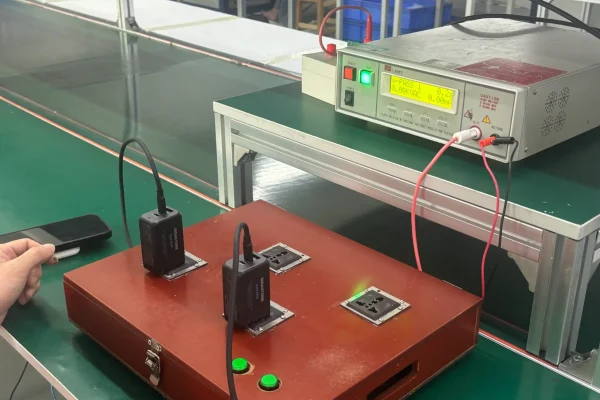
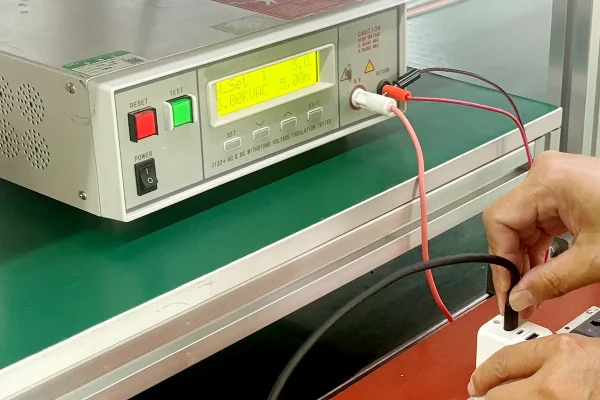
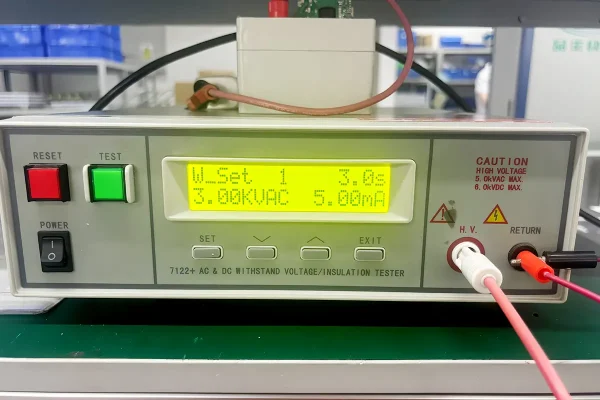
At the critical half-finished stage, after the PCBA is housed but before the final casing is sealed, every single wall charger undergoes Dielectric Withstand Testing. We connect the unit to a Hi-Pot tester that applies a 3,750V AC stress test for three seconds. This high-voltage pulse specifically targets the insulation barrier between the high-voltage input (wall power) and the low-voltage output (USB port).
Why it is important:
The primary goal of Hi-Pot testing is absolute safety and isolation validation. It confirms that the physical barriers and spacing within the charger are robust enough to prevent electrical leakage. By stressing the insulation far beyond normal operating levels, we ensure that even during a significant power surge, users and devices are fully protected from electrocution or high-voltage exposure.
Enclosure Sealing Inspection
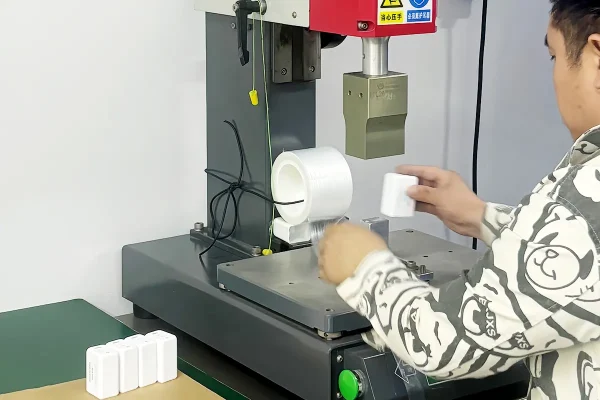
Ultrasonic weld strength and housing integrity inspection: 10 units per hour.
What it is:
Our enclosures are crafted from UL 94 V-0 rated flame-retardant polycarbonate, joined using advanced ultrasonic welding. This process uses high-frequency vibrations to create a molecular bond between the plastic components, resulting in a seamless, high-strength seal. We conduct hourly spot checks on every production batch to inspect these welds for structural depth, uniform bonding, and the absence of micro-cracks or leaks.
Why it is important:
A perfect seal is the first line of defense for internal electronics. High-quality welding ensures the charger remains durable and resistant to dust and moisture. By verifying the bond’s strength, we guarantee the case will not crack or separate under physical stress, keeping the high-voltage internals safely contained.
Burn-in Stress Test
Dual-voltage aging for all batch units.
What it is:
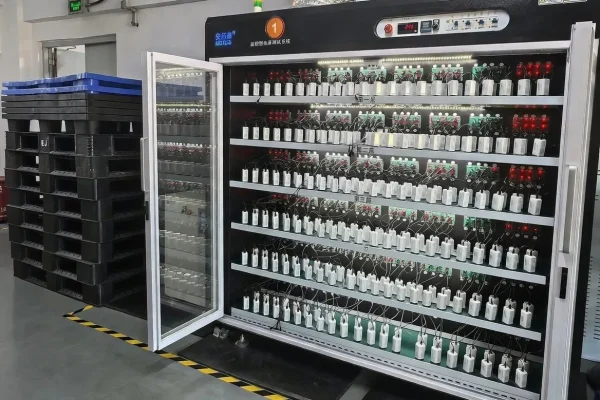
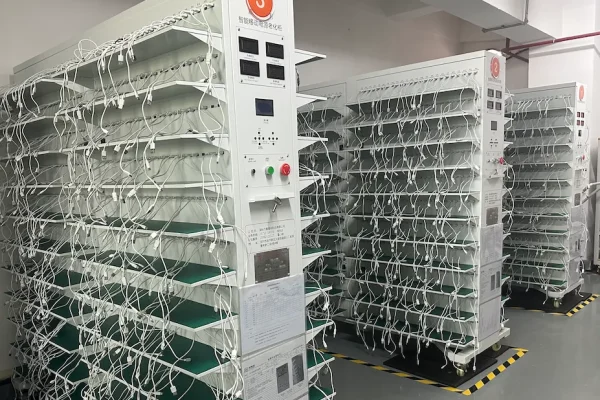
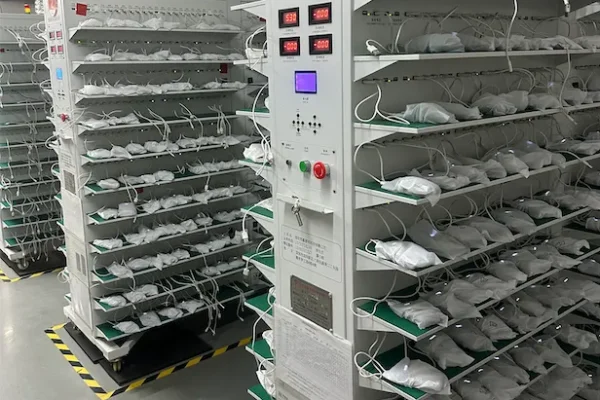
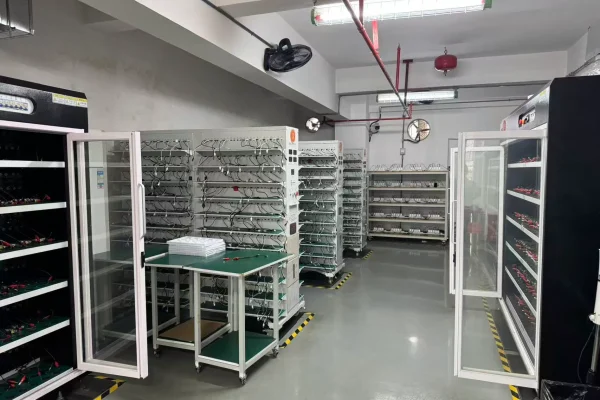
Before leaving the factory, every single wall charger is placed in a “smart aging cabinet” for a rigorous 4-hour stress test. We push the units to their limits by running them at full load across two extremes: 2 hours at high voltage (264V) and 2 hours at low voltage (90V). To make the test even tougher, the system performs a sudden “power cycle” every 30 minutes, simulating the unstable electrical grids found in the real world.
Why it is important:
This process is designed to trigger “infant mortality”—a technical term for weak components that are prone to failing within their first few hours of use. By forcing these failures to happen in our factory under controlled stress, we ensure that only the “survivors” reach your customers. This guarantees that every unit you receive is stable, durable, and ready for long-term performance.
Final Finished Product Testing
100% comprehensive functionality validation.
What it is:
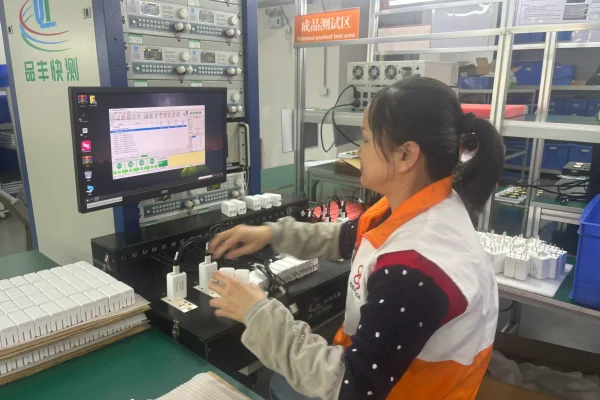
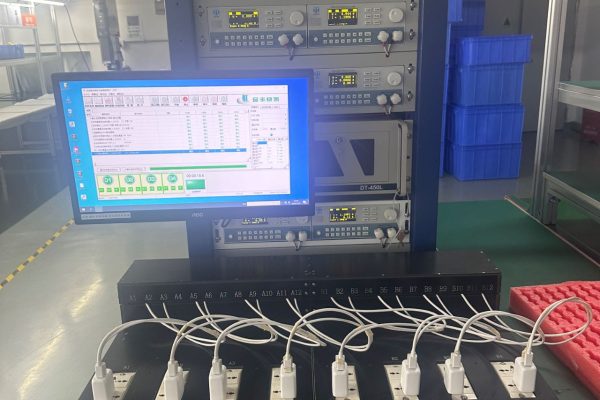
Before moving to the packing station, every single product is plugged into a dedicated test station that simulates a wide variety of power scenarios. We verify precise voltage output, fast-charging protocol compatibility, and the responsiveness of all safety protection features. This final check ensures that each unit’s overall performance perfectly matches its technical specifications.
Why it is important:
Testing every single unit guarantees that what leaves our factory works perfectly, so you never have to worry about returns or unhappy customers.
Appearance & Finish Inspection
Aesthetic quality assurance and brand integrity.
What it is:
The product exterior is the first thing your customers interact with. We conduct detailed inspections of the UL-rated casing, laser-printed specs., USB port alignment, and color consistency. Every batch is sampled to ensure there are no surface scratches, molding dents, or cosmetic imperfections.
Why it is important:
A flawless, professional appearance builds immediate trust and reinforces the high quality of the technology inside. By maintaining strict aesthetic standards, we ensure your brand delivers a superior first impression, justifying the premium positioning of your products.
Thermal Performance Inspection
Sample check of 3–5 units per batch.
What it is:
When a charger is used for a long time it naturally gets warm. In a controlled room, we run the charger at full power for 2 hours and measure how hot the case and internal parts get.Why it is important:
This confirms the charger stays cool and safe during long use, preventing overheating that could shorten life or cause discomfort.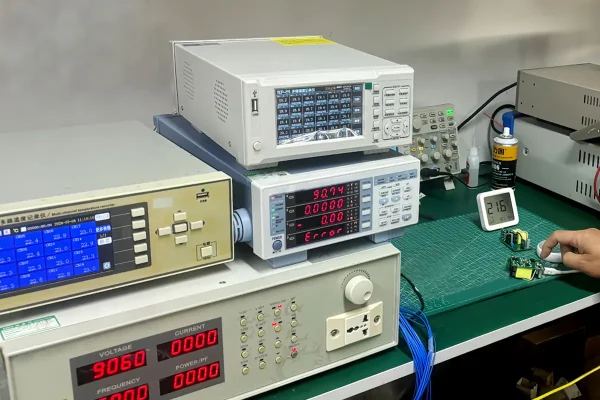
Packaging Integrity Inspection
Ensuring shipping protection and order accuracy.
What it is:
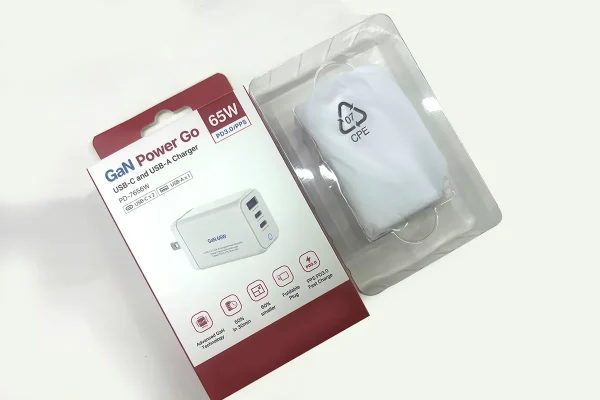
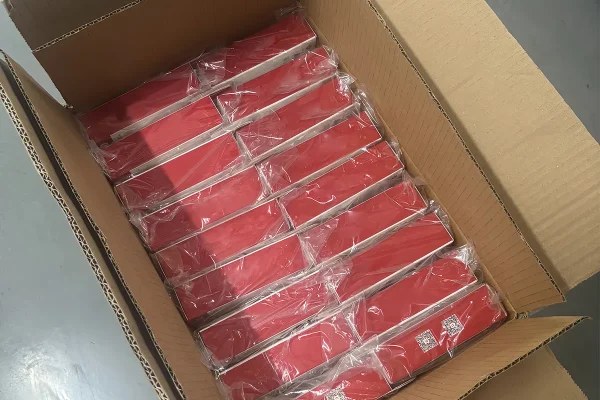
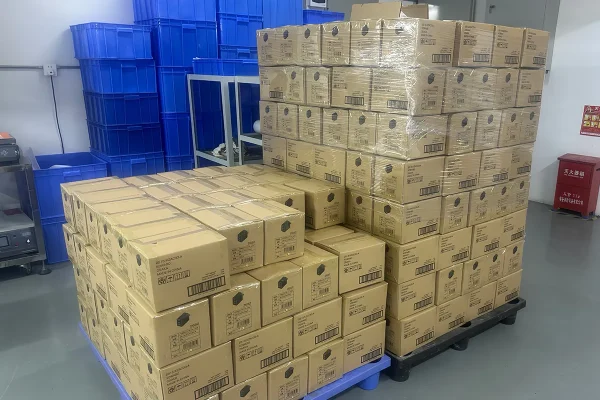
We perform sample audits on every batch to verify that packaging and accessories are retail-ready. This includes testing the structural strength of shipping cartons, confirming all cables and manuals are included, and ensuring every box is perfectly sealed and correctly labeled.
Why it is important:
High-quality packaging is the final safeguard for your investment. By verifying material durability and content accuracy, we ensure your products survive international transit and arrive in “factory-new” condition, ready for immediate sale.
Batch Quality Review & Release
Mandatory check for every batch.
What it is:
A Quality Supervisor reviews the statistical data for the entire batch. They calculate the total defect rate and ensure it is below the 3% threshold. All defect information is logged into a traceability system, and a final “Release Audit” is signed only if every previous gate has been cleared.
Why it is important:
This measure provides accountability and high-level oversight. It ensures that no individual unit “slips through the cracks” and allows the company to identify trends—such as a specific machine or shift producing more errors—enabling continuous process improvement.
Partner with a Quality-Focused Manufacturer
Our multi-layered QC process with 100% unit testing ensures every shipment performs flawlessly, reducing defects, lowering returns, and protecting your brand and bottom line.